
Cornet or Trumpet for a Beginner: What Is the Difference?
Author: Axiom Music Date Posted:27 August 2026
Cornet or Trumpet for a Beginner: What Is the Difference?
The cornet and trumpet look similar, use three valves and are normally pitched in B flat. Their basic fingering is also the same. However, differences in their shape and sound can influence which instrument is best for a new player.
When choosing a cornet or trumpet for a beginner, it is helpful to consider the type of ensemble they will join, the sound they prefer and the instrument recommended by their teacher.
How are the cornet and trumpet different?
The most noticeable difference is their shape. A cornet has tubing that is wound into a shorter, more compact body. A trumpet has a longer appearance, even though both instruments contain a similar overall length of tubing.
The cornet also has a more gradually expanding, or conical, bore. A trumpet has a greater proportion of cylindrical tubing before it widens towards the bell.
These design differences contribute to their characteristic sounds. A cornet generally has a warm, rounded and mellow tone. A trumpet tends to sound brighter, clearer and more direct.
Is a cornet easier for a child to hold?
Because the cornet has a more compact shape, some younger players find it easier to balance and hold close to the body. This does not necessarily make it easier to produce notes, but it can make the playing position feel more manageable.
A trumpet is slightly longer and projects further away from the player. Older children, teenagers and adults can normally hold it without difficulty.
The weight and balance of an instrument are important because a beginner needs to maintain a comfortable posture while learning correct breathing and embouchure.
Where are the instruments normally played?
Cornets are strongly associated with brass bands, where their warm sound forms an important part of the ensemble. They are also sometimes used in concert bands and beginner music programs.
Trumpets are found in an enormous variety of musical settings, including:
-
School and concert bands
-
Orchestras
-
Jazz ensembles
-
Big bands
-
Rock and popular music
-
Marching and ceremonial groups
If a student is joining a school band, the trumpet is often the more commonly requested instrument. If they are joining a traditional brass band, the cornet may be preferred.
Do they use the same music?
A B-flat cornet and B-flat trumpet share the same standard fingerings and can often read the same music. Skills learned on one instrument can therefore transfer readily to the other.
Their mouthpieces are not necessarily identical, and each instrument responds and sounds slightly different. A player changing instruments may need a short adjustment period.
Which should a beginner choose?
The best way to choose a cornet or trumpet for a beginner is to ask where the instrument will be played. A school music teacher or band director may require a particular instrument to achieve the right balance within the ensemble.
Choose a cornet if the student:
-
Is joining a brass band
-
Prefers a warm and rounded sound
-
Finds the compact shape more comfortable
Choose a trumpet if the student:
-
Is joining a school or concert band
-
Enjoys jazz, orchestral or popular music
-
Wants an instrument used across many musical styles
Both instruments can provide an excellent introduction to brass playing. A comfortable, well-constructed student model will make it easier to develop good habits and enjoy those important first lessons.
Explore Axiom brass instruments:
https://www.axiommusic.com.au/brass/
View Axiom trumpets:
https://www.axiommusic.com.au/trumpets-for-sale
Axiom supplies affordable beginner brass instruments to students, families and schools across Australia. Every instrument includes a two-year warranty and is dispatched from our Sydney warehouse with fully insured delivery.
Leave a comment

Shop Now. Pay Later.
100% Interest-free.
Simple instalment plans available instantly at checkout
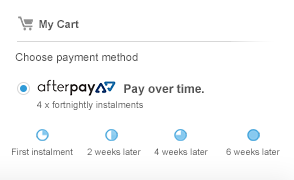

Select Afterpay as your payment method
Use your existing debit or credit card

Complete your checkout in seconds
No long forms, instant approval online

Pay over 4 equal instalments
Pay fortnightly, enjoy your purchase straight away!
All your need is:
1) An Australian Visa or Mastercard debit/credit card; 2) To be over 18 years of age; 3) To live in Australia
To see Afterpay's complete terms, visit https://www.afterpay.com.au/terms
© 2026 Afterpay