How Often Should You Change Acoustic Guitar Strings?
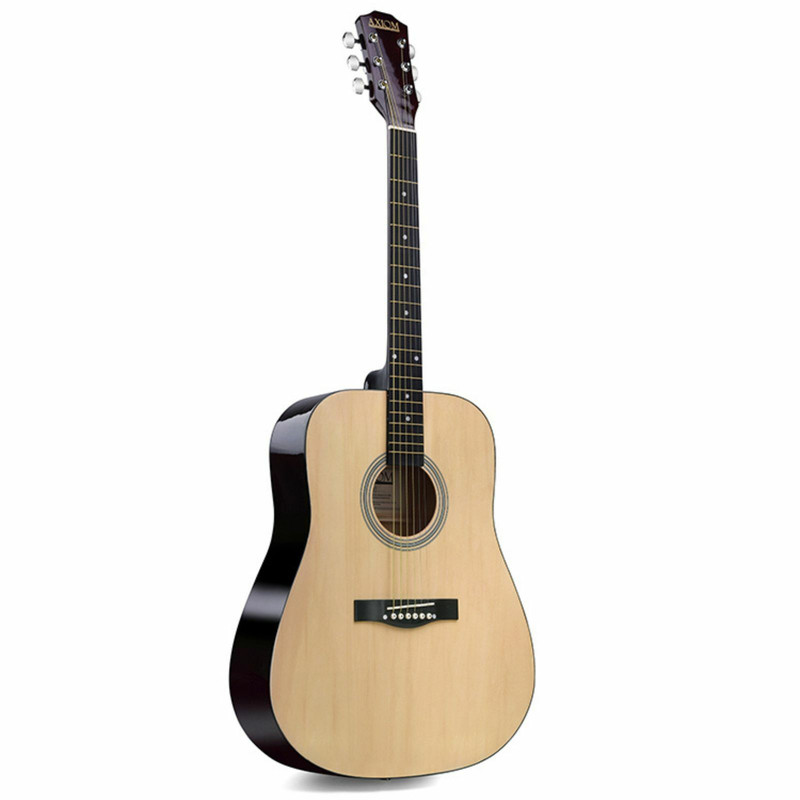
Fresh strings can make an acoustic guitar feel lively and responsive, while old strings may sound dull, feel rough or become difficult to tune consistently. But there is no single replacement date that suits every guitarist.
String life depends on how often you play, the type of strings, moisture and perspiration, storage conditions and how much tonal brightness you prefer. Learning to recognise the signs of wear is more useful than relying on the calendar alone.
A sensible replacement guide
For a steel-string acoustic guitar played regularly, many players consider changing strings every one to three months. Someone practising for hours every day may prefer to change them more often, while an occasional player may comfortably use a set for several months. These are guidelines, not rules.
Coated strings can retain their tone and feel longer than some uncoated sets, although results vary. Classical guitars use nylon-based strings and follow different wear patterns, so the advice here is mainly for steel-string acoustic guitars.
Five signs your strings may need replacing
The first sign is a noticeably dull or lifeless tone, especially if the guitar once sounded brighter with the same setup. Second, strings may feel rough, sticky or uneven under the fingers. Third, visible discolouration, corrosion or dirt in the windings suggests ageing.
Fourth, tuning may become less consistent, although worn tuners, a binding nut or poor winding at the tuning post can cause similar symptoms. Fifth, look for physical damage such as flattened winding areas, fraying or kinks. A damaged string should be replaced promptly.
What makes guitar strings wear out?
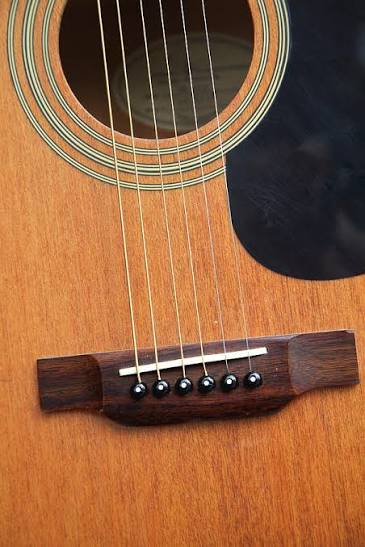
Every playing session transfers skin oils, perspiration and small particles of dirt to the strings. Moisture and humid storage conditions can accelerate corrosion on metal components. Frequent bending, heavy strumming and contact with frets gradually change the string surface.
Some players naturally experience faster string wear than others. If you practise daily, it is worth checking the strings by touch and sound each week rather than waiting for a fixed deadline.
How to make a set last longer
Wash and dry your hands before playing. Afterwards, wipe each string gently with a clean, dry, lint-free cloth, paying attention to the section above the soundhole and fingerboard. Store the guitar in a suitable case or protected environment when it is not being used.
Avoid leaving the instrument in a hot car or in excessively damp conditions. String-cleaning products should be used only when they are compatible with your string type and the guitar's finish. Good habits help, but they do not prevent all normal wear.
Changing strings: a careful approach

Choose strings designed for your guitar, matching the correct type and a suitable gauge. Never fit steel strings to a guitar built for nylon strings. If you are uncertain, check the maker's specifications or ask a music retailer or technician.
Replace strings methodically, taking care not to scratch the guitar's top or bridge. On a steel-string acoustic, seat each ball end correctly under its bridge pin, then wind the string neatly around the tuning post. Bring the strings up to pitch gradually and tune several times as they settle.
Some players change one string at a time to preserve a familiar reference; others remove the full set for cleaning. Either approach can work when done carefully. If a bridge pin resists, use an appropriate pin puller rather than levering against the soundboard.
Do you need a full set or just one string?
If one string breaks soon after fitting a new set, replacing that individual string with a matching type and gauge may be sensible. If the remaining strings are already old and dull, a complete set usually gives a more balanced sound and feel.
Keep a spare set in your case so a broken string does not interrupt practice. Ultimately, change strings when their sound, feel or condition starts limiting your enjoyment of the instrument. A few minutes of regular care can extend their useful life.