
How to Tune a Ukulele
Author: Axiom Music Date Posted:14 October 2026
How to Tune a Ukulele: The Easy G-C-E-A Guide
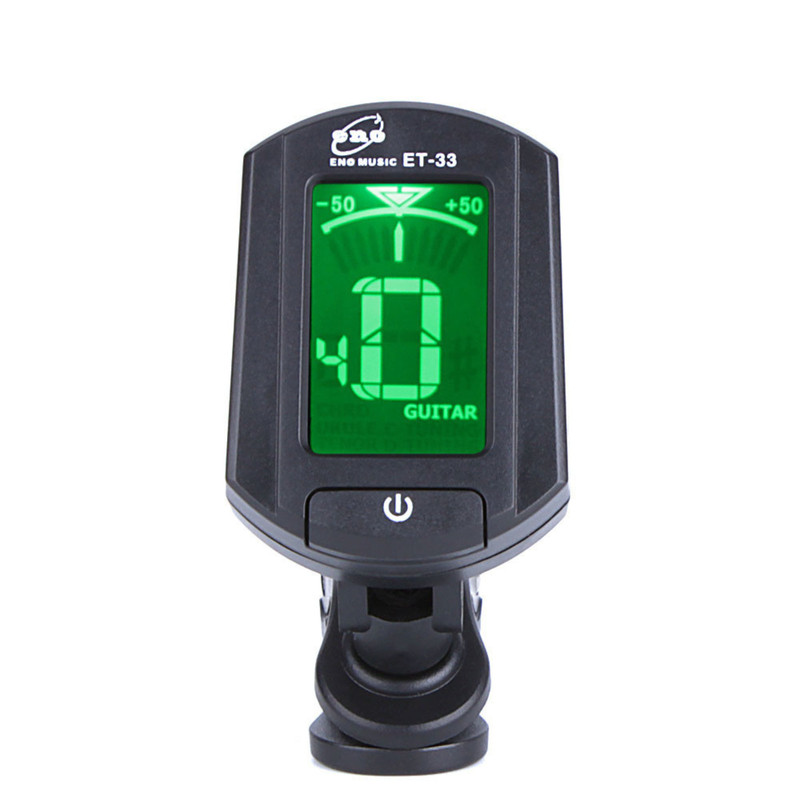
Learning how to tune a ukulele is one of the most useful first skills for a new player. Most soprano, concert and tenor ukuleles use the same four open-string notes: G-C-E-A. A clip-on tuner makes the job simple.

Hold the ukulele in playing position. From the string nearest your face to the string nearest the floor, tune to G, C, E and A. Pluck one string at a time and adjust its tuning peg slowly until the tuner shows the correct note.
What are the four ukulele string notes?
In standard tuning, the four strings are:
3rd string: C
2nd string: E
1st string: A
The fourth string is the one closest to your face when holding the instrument normally. On a typical ukulele, that G is pitched higher than the C string beside it. This is called re-entrant or high-G tuning and gives the ukulele its familiar bright sound.
How to tune a ukulele with a clip-on tuner

- Clip the tuner onto the headstock and switch it on. Select ukulele mode or chromatic mode if available.
- Pluck the fourth string by itself and look for the note G.
- If the tuner shows the pitch is flat, raise it gradually. If sharp, lower it gently. Watch the display as you turn the correct peg.
- Repeat for the third string (C), second string (E) and first string (A).
- Play each open string again. Adjustments to one string can slightly affect the others, particularly on a new instrument.
Turn pegs in small increments. The direction that tightens a string varies with the tuner arrangement, so listen and watch the display rather than memorising “clockwise” or “anticlockwise”. Never keep tightening a string that already sounds very high.
Can you tune a ukulele without a tuner?
Yes, if you have a reliable reference pitch from a keyboard, tuning fork or recorded tone. Match each open string to G, C, E and A by listening carefully. Relative tuning is also possible, but if your starting reference is wrong, the whole instrument can end up out of tune.
For a first-time player, a clip-on chromatic tuner is usually the quickest and most repeatable method, particularly in a noisy room.
Why does a new ukulele keep going out of tune?
New nylon or fluorocarbon strings gradually settle under tension. It is normal to retune more often during the first days of use. Temperature changes and frequent playing can also affect tuning.
Retune before every practice session, check that each string is wound securely around its tuning post and give new strings time to stabilise. If a particular string keeps slipping long after it has settled, have the tuner and string installation checked.
Is baritone ukulele tuning different?
Usually, yes. Most baritone ukuleles are tuned D-G-B-E, rather than G-C-E-A. Some tenor ukuleles also use a low-G string: the note name remains G, but it is tuned an octave below the usual high G. Always check which string set and tuning your instrument is designed for before changing pitch dramatically.
Frequently asked questions
Is ukulele tuning the same for soprano, concert and tenor?
Most standard soprano, concert and tenor ukuleles use G-C-E-A. Some players choose alternate strings or tunings, so check the instrument's setup.
How often should I tune my ukulele?
Check the tuning before each practice. New strings may need several small adjustments during a session.
Your 30-second tuning routine
Remember the sequence G-C-E-A, pluck one string at a time, make small peg adjustments and recheck all four strings. Once you know how to tune a ukulele, you can spend more time enjoying your first chords and songs.
KEEP LEARNING
Explore Axiom Music's ukulele collection for beginner-friendly instruments and accessories. Axiom Music is an Australian-owned online retailer, shipping from Sydney.
Educational information only. For instrument adjustments or persistent faults, seek advice from your teacher or a qualified repairer.

Shop Now. Pay Later.
100% Interest-free.
Simple instalment plans available instantly at checkout
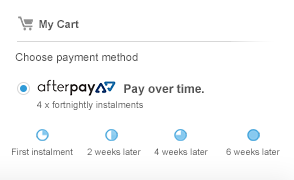

Select Afterpay as your payment method
Use your existing debit or credit card

Complete your checkout in seconds
No long forms, instant approval online

Pay over 4 equal instalments
Pay fortnightly, enjoy your purchase straight away!
All your need is:
1) An Australian Visa or Mastercard debit/credit card; 2) To be over 18 years of age; 3) To live in Australia
To see Afterpay's complete terms, visit https://www.afterpay.com.au/terms
© 2026 Afterpay