AXIOM MUSIC | INSTRUMENT ADVICE
Is It Ever Too Late to Learn a Musical Instrument?
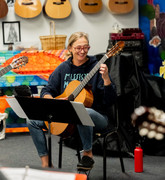
Many adults have an instrument they have always wanted to play. Perhaps you loved the sound of a saxophone at school, admired a violinist at a concert or have a guitar sitting unused at home. Work, family and other commitments can make it easy to put that ambition aside. The good news is that learning a musical instrument as an adult does not require a childhood background in music. It requires an achievable starting point, regular opportunities to practise and a willingness to enjoy the process rather than judge every note.
What adults bring to music lessons
Adults often arrive with a clear idea of the music they enjoy and a personal reason for wanting to learn. That can be a useful source of motivation when the first exercises feel unfamiliar. You may also be comfortable asking questions, following written instructions and noticing patterns. These skills can help you understand a teacher's advice. Children and adults learn in different ways, and individuals vary considerably. There is no need to compare your progress with a child who has been playing for several years. Measure your improvement against what you could do last week instead.
Choose an instrument you actually want to hear
Think about the music you would like to play before deciding what to buy. An acoustic guitar can suit someone who enjoys singing or accompanying songs. A digital piano offers a clear visual arrangement of notes and, on many models, headphone practice. A violin offers a wonderfully expressive sound but requires time to develop accurate finger placement and bow control. Woodwind and brass instruments involve learning to coordinate breathing with finger movements. Try instruments where possible, and consider their weight, playing position, sound level and storage requirements. An instrument that fits your daily life is more likely to become a regular companion.
Start with a comfortable setup
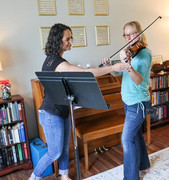
A suitable instrument and a comfortable practice space make the first weeks much easier. Arrange a chair of an appropriate height, a music stand and good lighting. Keep the instrument safely accessible so that starting a practice session does not involve moving furniture or searching for accessories. If you are buying a string instrument, ask about setup and sizing. For wind instruments, a teacher can help you choose a suitable beginner mouthpiece or reed where applicable. Avoid trying to compensate for an instrument that is difficult to play by using excessive physical force. Ask for advice if playing causes persistent discomfort.
A little practice often is a useful starting point
Ten or fifteen minutes of focused practice on most days can be a manageable starting routine. Begin with a familiar exercise, work on one small challenge and finish with something you enjoy. For example, a guitarist might practise changing between two chords slowly before playing a simple song. A violinist might work on a steady open-string bow stroke before attempting a short melody. A pianist might practise each hand separately. Short sessions make it easier to concentrate and fit music around other commitments. Increase the duration gradually when you feel comfortable, and take breaks rather than pushing through fatigue.
Make lessons work for you
A teacher can identify habits that are difficult to notice on your own, suggest appropriate music and help you solve problems before they become frustrating. Explain your goals at the first lesson. You might want to play favourite songs, join a community group or simply learn for personal enjoyment. Ask for a small number of specific tasks to work on between lessons. Online resources can supplement instruction, but choose material appropriate to your level instead of jumping between unrelated tutorials. Recording a short passage occasionally can also help you hear improvements that are difficult to notice while concentrating on playing.

Learn to read music at your own pace
You do not need to understand every musical symbol before making your first sound. Depending on the instrument and style, you might begin with chord diagrams, tablature, simple notation or learning by ear. Gradually connect what you hear with what you see on the page. Clap a rhythm before playing it, count slowly and practise a few notes at a time. Understanding notation is valuable, but it is a skill that develops alongside playing rather than an entrance examination you must pass. Ask your teacher to explain unfamiliar symbols in the context of a piece you are learning.
Find people to share the experience
Music can be a rewarding social activity as well as a private hobby. Look for adult beginner classes, informal music groups, community bands or ensembles that welcome developing players. Ask about the expected standard before attending. Even playing a simple duet with a friend can encourage you to listen carefully and maintain a steady pulse. If group playing feels intimidating, begin by playing along with a slow backing track or recording. The aim is to find a musical setting that challenges you without making the experience unnecessarily stressful.
Enjoy the small milestones
Your first recognisable melody, clean chord change or steady sustained note is worth celebrating. Keep a short record of pieces you can play and revisit them after a few weeks. Progress will not always feel consistent, and a difficult practice day does not erase previous achievements. Choose one achievable goal for the coming month and make time for music you genuinely enjoy. There is no universal deadline for becoming a musician. Starting now gives you an opportunity to make music part of your life.
Axiom Music | Helping Australians enjoy making music.