AXIOM MUSIC | INSTRUMENT ADVICE
Soprano, Alto or Tenor Saxophone: Which Should You Learn?
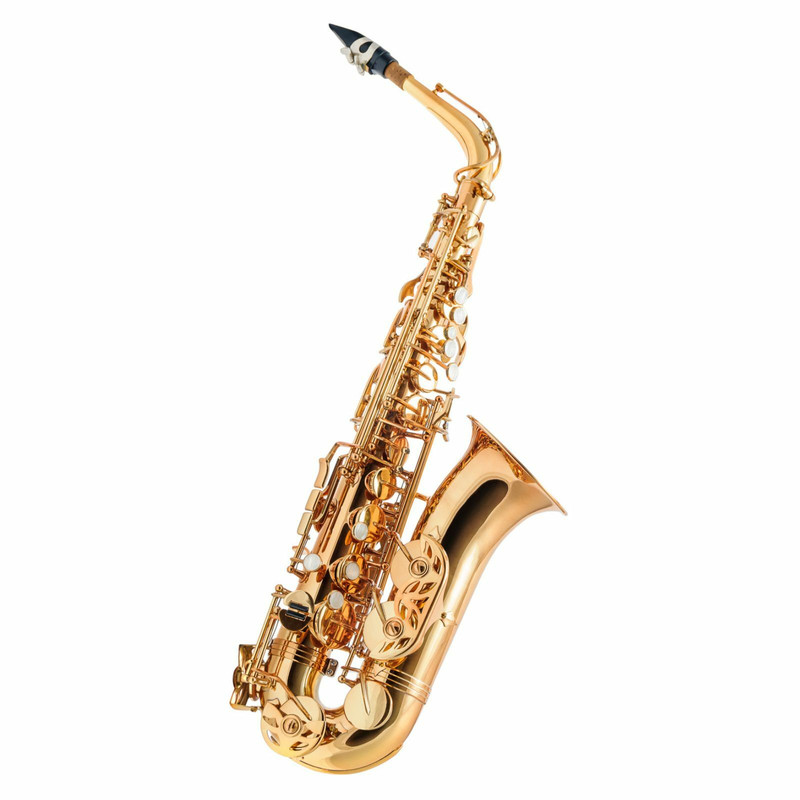
The saxophone is associated with everything from jazz and classical music to pop and concert bands. Its expressive sound attracts many new players, but choosing between soprano, alto and tenor saxophones can be confusing. Although these instruments share a similar fingering system, they differ in size, pitch, playing feel and the demands they place on a beginner. The best saxophone for beginners is often the alto, but the right decision also depends on physical comfort, musical interests and the advice of a teacher.
What the three saxophones have in common
All three use a single reed attached to a mouthpiece with a ligature. The reed vibrates when the player blows, creating a sound that is shaped by the instrument's tube and the opening and closing of its keys. Their basic written-note fingerings are broadly similar, so skills developed on one saxophone can transfer to another. However, each size requires adjustments to breath, mouthpiece position and embouchure. They are also transposing instruments: the note you read is not necessarily the concert pitch that a pianist plays. Beginners can learn from music written specifically for their saxophone without needing to calculate transpositions immediately.
Alto saxophone: a practical starting point
The alto is pitched in E flat and has the familiar curved shape that many people associate with the saxophone. It is smaller and generally lighter than a tenor, making it a practical choice for many school students and adults. Its mouthpiece and reed are also smaller than those of a tenor. The alto offers a versatile sound that fits concert bands, jazz ensembles and solo music. Many beginner teaching resources are available for it, and it is commonly used in school music programs. For a new player without a strong preference for another size, the alto is often a sensible instrument to try first.
Consider physical comfort before purchasing
A saxophone should be supported by an appropriate neck strap or harness rather than carried entirely by the hands. Check that the mouthpiece can reach your mouth comfortably while your head remains in a natural position. Your fingers should reach the main keys without excessive stretching. Younger students vary in height, hand size and strength, so age alone is not a reliable guide. Ask a teacher to assess the fit if possible. A comfortable playing position makes it easier to concentrate on producing a sound rather than struggling to hold the instrument steady.
Tenor saxophone: a larger instrument with a lower voice
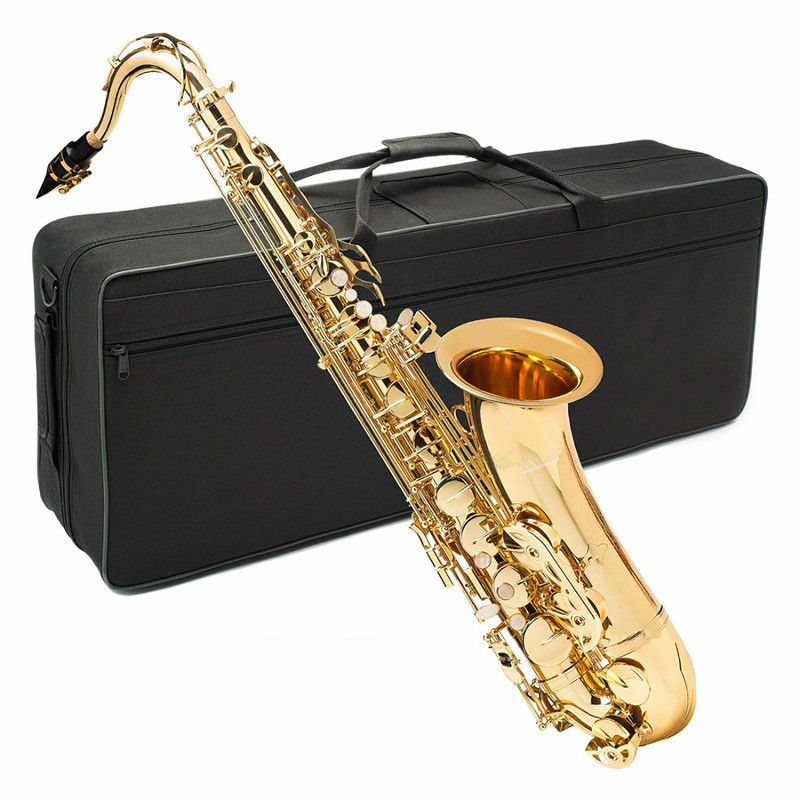
The tenor is pitched in B flat and sounds lower than the alto. Its warm, full tone is particularly familiar in jazz, blues and popular music, although it is equally at home in many concert bands. Its larger body and mouthpiece can make it more physically demanding to support and may require a different approach to air flow. Adult beginners who love the tenor sound can certainly start on tenor, provided the instrument fits comfortably and they have appropriate instruction. A supportive harness can help distribute the weight. There is no rule that every tenor player must learn alto first.
Soprano saxophone: small but not necessarily easy
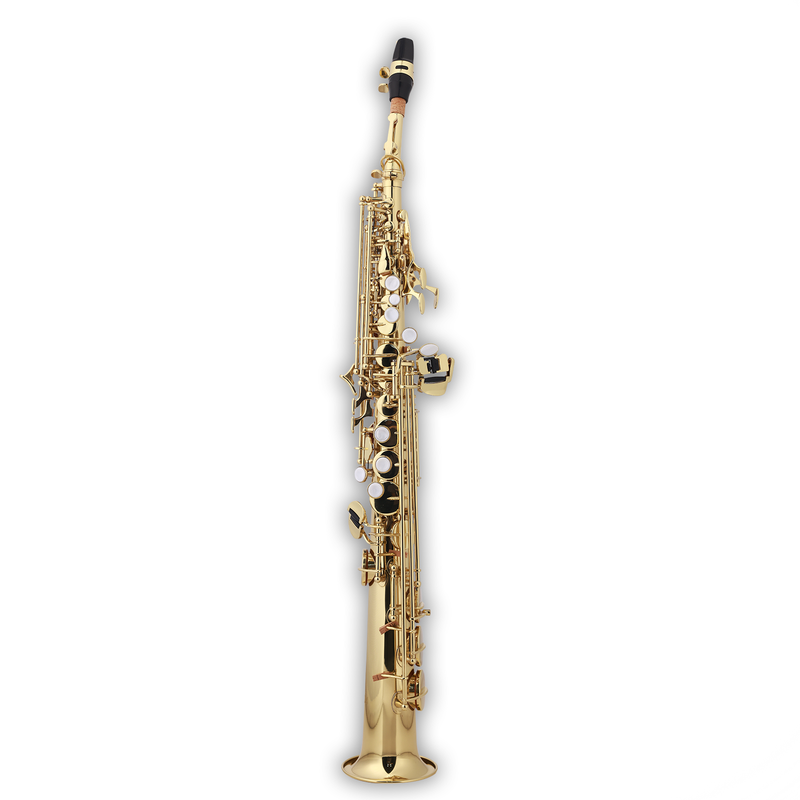
The soprano is also pitched in B flat, sounding an octave above the tenor. It is often straight, although curved models exist. Its bright, focused sound can be especially attractive in lyrical solo music. The smaller mouthpiece and sensitivity to changes in embouchure can make stable tone and intonation challenging for inexperienced players. Its compact appearance should not be mistaken for evidence that it is the easiest saxophone to learn. A motivated beginner with a particular interest in soprano can learn it with suitable guidance, but many players develop their basic technique on alto or tenor before moving to soprano.
Match the instrument to the music you enjoy
Listen to recordings of each type, preferably in several styles. Notice the differences in register and character rather than assuming one instrument is restricted to a particular genre. Alto can sound gentle or powerful, tenor can be lyrical or energetic, and soprano can blend beautifully in an ensemble. If you are joining a school or community band, ask which instruments the group uses and whether there is a particular part available. Having a musical goal can help you stay motivated during the early stages of learning.
Budget for the essentials
A beginner needs a suitable mouthpiece, compatible reeds, a ligature, a comfortable strap and a protective case. Reed sizes are specific to the type of saxophone, so an alto reed is not interchangeable with a tenor or soprano reed. A teacher can suggest an appropriate reed strength for the mouthpiece and player. A pull-through swab suitable for the instrument and a separate mouthpiece cleaning routine help manage moisture after playing. Avoid buying accessories solely because they are described as professional; a straightforward beginner setup is often easier to manage.
Make the final decision with confidence
Try an alto first if you are unsure, especially when choosing for a school student. Consider tenor if its lower voice is what inspires you and its size is manageable. Choose soprano if you have a specific musical reason and access to guidance on tone and tuning. Whichever saxophone you select, a properly functioning instrument, patient instruction and consistent practice are more important than trying to find a shortcut to advanced playing. The right instrument is one you can hold comfortably and look forward to playing regularly.
Axiom Music | Helping Australians enjoy making music.