AXIOM MUSIC | INSTRUMENT ADVICE
Why Do Violin Pegs Slip or Stick? Causes and Solutions
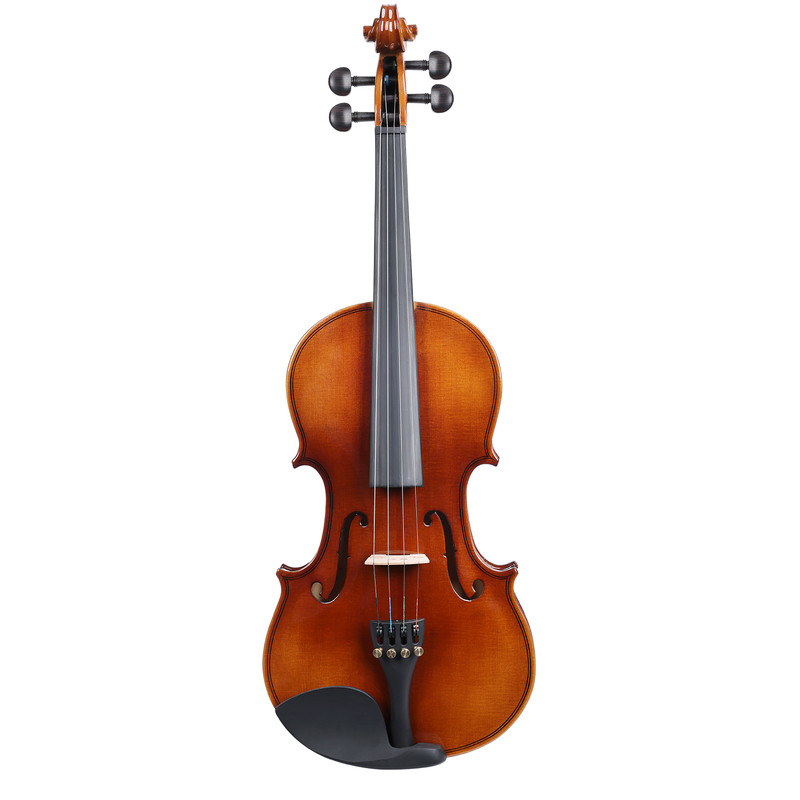
Why violin pegs slip or stick, how to tune safely, and when a professional adjustment is needed. Practical advice for beginner violinists.
Why violin pegs behave differently from geared tuners
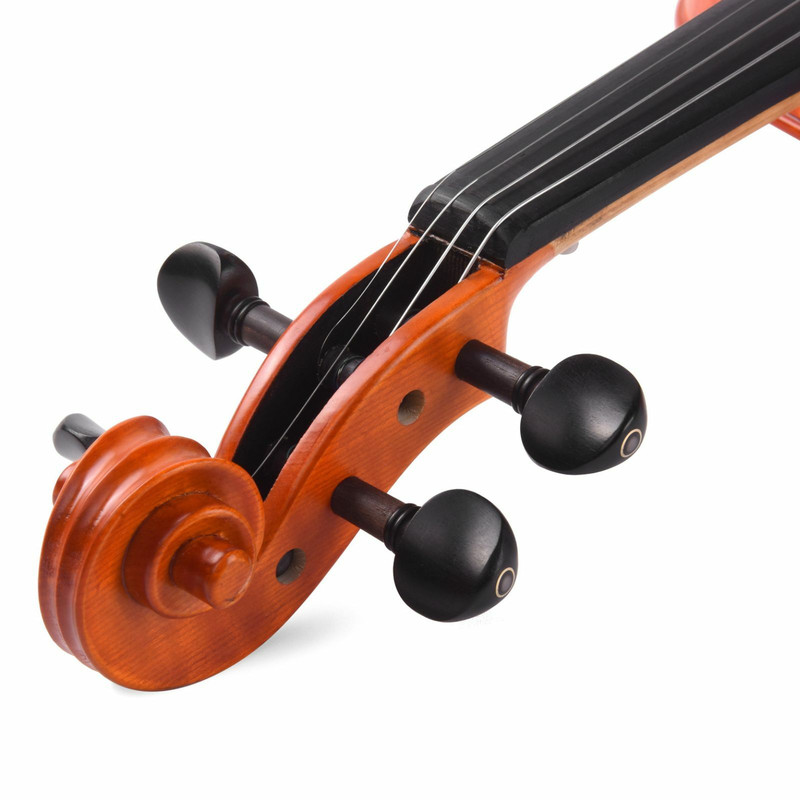
Unlike a guitar's geared tuning machines, traditional violin pegs rely on friction between a tapered wooden peg and the matching holes in the pegbox. The peg must rotate smoothly when you intend to tune, then hold firmly enough to resist the tension of the string. That balance explains why a peg can feel secure one day and troublesome the next. A beginner may assume a slipping peg means the instrument is defective, but the cause is often a combination of environment, technique and the fit of the peg.
Changes in humidity and temperature
Wood responds to moisture in the air. During dry weather or in air-conditioned rooms, the peg and pegbox can change dimensions slightly, reducing the friction that normally keeps a peg in place. Humid conditions may make a peg feel unusually tight. Avoid leaving a violin in direct sunlight, near heaters or in a hot car. Store it in its case when it is not being played and try to avoid abrupt changes in temperature. If the instrument has come in from a very cold or hot environment, give it time to acclimatise before making major tuning adjustments.
How to tune without forcing the peg
Support the violin securely, keeping your fingers away from the string's path. Turn the peg in small, controlled movements while applying gentle inward pressure toward the pegbox. The pressure helps the tapered surfaces grip, but excessive force can crack the pegbox or damage the peg. Tune upward to the target pitch where possible; if you overshoot, lower the pitch slightly and approach it again. A reliable tuner makes it easier to stop before a string becomes too tight. Never keep turning a peg that feels jammed or suddenly requires significant force.
What to do when a peg keeps slipping
First check that the string is wound neatly around its peg and that the winding does not bunch up or interfere with adjacent strings. A loose or poorly arranged winding can make tuning less stable. If the peg turns easily and immediately unwinds, try gentle inward pressure while making a small adjustment. Do not push hard. A purpose-made peg compound may help certain friction problems, but it must be applied sparingly and appropriately. Household oils, sprays, glue and rosin are not suitable quick fixes; they can create new problems and make later servicing harder.
What to do when a peg is stuck
Do not use pliers or tools to twist a stuck violin peg. Strong pressure can damage the peg, the pegbox or the string. Sudden movements may also send the pitch sharply upward and break a string. If the peg will not move with careful hand pressure, stop and ask a violin teacher or string-instrument technician to inspect it. Sometimes an appropriate adjustment or peg compound is enough; in other cases the peg needs to be refitted to match the pegbox correctly. A peg that alternates between sticking and slipping is particularly worth having checked.
Fine tuners and sensible daily habits
If your violin has fine tuners on the tailpiece, use them for small everyday pitch corrections. Fine tuners are designed for precise adjustments and reduce the need to turn the pegs constantly. They have a limited range, however, and should not be screwed all the way in or out. If a fine tuner approaches its limit, a teacher can help reset it safely. Before playing, check tuning gently, inspect the strings for wear and make sure the bridge still stands straight. A violin that is properly set up should feel predictable and manageable to tune.

When professional attention is worthwhile
Seek help if a peg repeatedly slips despite careful technique, remains stuck, sits at an unusual angle, or shows visible cracking around the pegbox. A technician can check the taper, contact surfaces, string winding and general condition of the instrument. For a student violin, a good setup makes a substantial difference: reliable tuning lets the player spend more time developing listening and bowing skills rather than fighting the instrument. Axiom bowed-string instruments are professionally set up, and ongoing care helps maintain that playing condition.
Quick troubleshooting checklist
If the peg slips, check the string winding and try a small turn with gentle inward pressure. If it sticks, do not force it. If the problem changes with the weather, review how and where the violin is stored. If a fine tuner is available, use it for small corrections. If any problem persists, arrange an inspection rather than experimenting with household lubricants. The goal is not to make the peg as tight as possible; it is to achieve smooth, controllable tuning with secure holding power.
Why a good setup matters for young players
Students learn pitch recognition by hearing a stable reference. If a peg unexpectedly releases tension during practice, the string may drop far below pitch and make ordinary tuning feel intimidating. It helps to teach a consistent routine: check the instrument before playing, use fine tuners for small corrections, and ask for assistance when a peg needs a large movement. A teacher can also show the correct direction of rotation and how to support the pegbox. Never leave a violin with a string pulled dramatically above its intended pitch. A few minutes of careful instruction can prevent broken strings and make independent practice much more enjoyable.
Axiom Music is an Australian family-owned musical instrument retailer, shipping from Sydney. Explore our instrument range and practical care advice on our website.