AXIOM MUSIC | INSTRUMENT ADVICE
Why Does My Flute Sound Airy? Common Causes and Easy Fixes
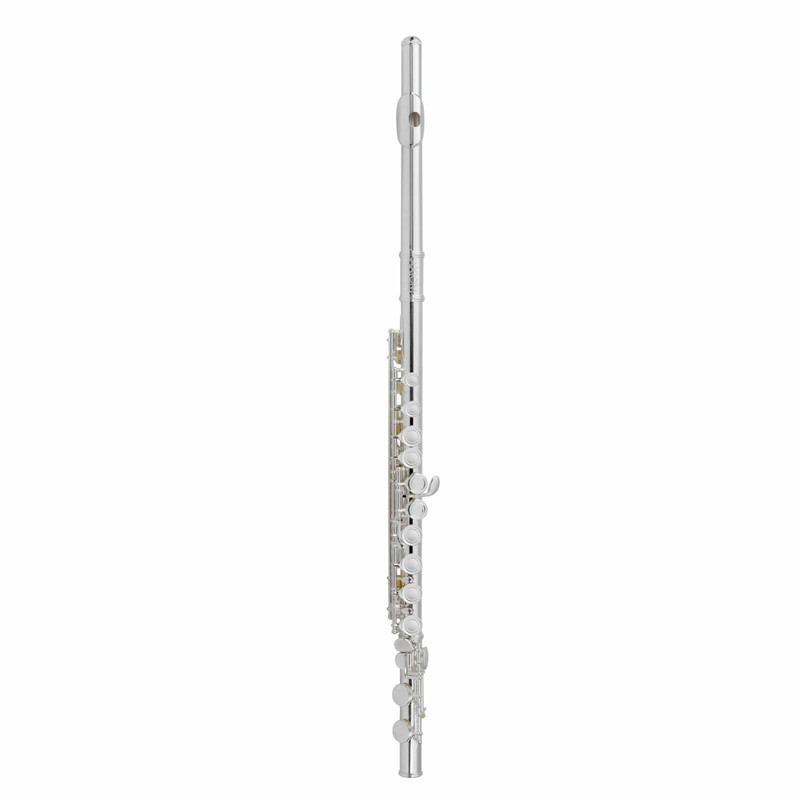
Learn why a flute sounds breathy, how to improve air direction and embouchure, and when to check for a mechanical leak.
What an airy flute tone actually means
A flute produces sound when a focused stream of air strikes the far edge of the embouchure hole and causes the air inside the instrument to vibrate. Not all the player's breath becomes musical sound, so some air noise is normal. An excessively airy tone, however, often means that too much air is missing the correct edge or that the stream is not well focused. Beginners may compensate by blowing harder, but greater force alone usually makes the sound less controlled. A small change in air direction is often more effective than a large increase in breath.
Start with the headjoint alone
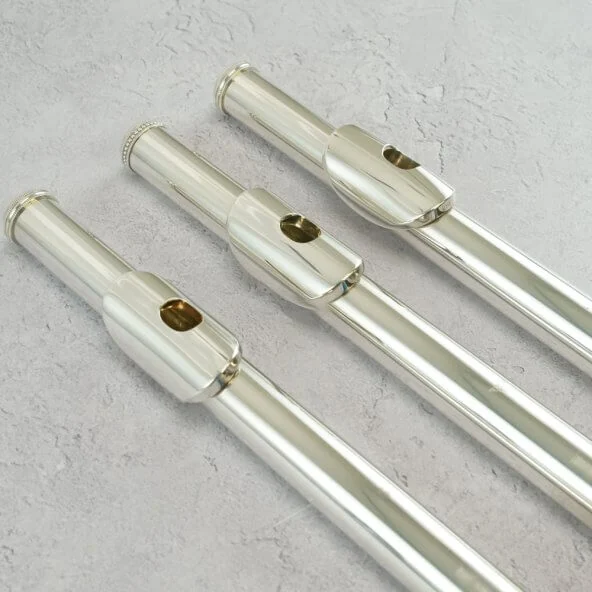
A simple way to investigate the problem is to practise using only the headjoint. Rest the lip plate comfortably against the lower lip and blow a narrow stream of air across the opening. Roll the headjoint a tiny amount inward or outward and listen for the point where the sound becomes clearest. Avoid covering too much of the hole with the lower lip. Once you can make a steady sound on the headjoint, assemble the flute and try the same relaxed position. This isolates tone production from the extra challenge of finger placement.
Find a comfortable embouchure
The embouchure is the shape and position of the lips while playing. Aim for a relaxed face and a small, controlled opening between the lips. Tight cheeks, a forced smile or an overly wide opening can spread the air stream and produce more hiss than tone. Think of directing the air rather than squeezing it. Try holding a single comfortable note for several seconds, then gently adjust the angle of the air stream until the tone becomes clearer. Keep the jaw and shoulders relaxed. Consistency matters more than an exaggerated facial position.
Check the angle of the instrument
The flute should be balanced comfortably, with the headjoint positioned so the embouchure hole meets the player's lips naturally. If the flute is rolled too far inward, the air may be directed into the opening rather than across its edge. Rolled too far outward, much of the air may pass over the hole. Either extreme can weaken the tone. A teacher can help identify a suitable headjoint angle, since facial anatomy varies. Do not copy another player's exact position without considering what produces a comfortable, resonant sound for you.
Practise with slow, steady air
Choose an easy middle-register note and hold it at a moderate volume. Listen for a consistent core of sound rather than trying to play loudly. Breathe naturally, keeping the chest open and the shoulders free from tension. Use a steady flow of air and make tiny changes in lip shape and direction. Then practise two-note slurs at a slow tempo without interrupting the air. These exercises develop control and reveal whether the breathiness is caused by an unstable air stream. Take short breaks if you feel dizzy; do not practise by hyperventilating.
Moisture, pads and other mechanical causes
A weak or airy note is not always a technique problem. Moisture in the headjoint or around a tone hole can temporarily interfere with response. After playing, clean the inside of the flute with an appropriate cleaning rod and cloth, taking care not to damage the headjoint. If certain notes consistently fail while others sound clear, a pad may not be sealing properly. Bent keywork, misalignment or worn pads can also cause leaks. Do not attempt to adjust tiny screws or bend keys yourself; flute mechanisms are delicate and easy to disturb.

How to tell technique from a possible leak
If the flute sounds airy on nearly every note, especially when a beginner is learning, start with the headjoint, posture and air direction. If only a particular note or group of notes is unreliable, the fingering and the instrument's sealing should both be checked. Ask an experienced player or teacher to test the flute. If the same notes remain difficult for a skilled player, professional inspection is sensible. A technician can check pad sealing and key regulation using suitable tools rather than guessing from the sound alone.
A five-minute tone routine
Spend one minute making a clear sound on the headjoint, one minute holding a comfortable note, one minute experimenting with very small air-direction changes, and two minutes playing slow connected notes. Record a short example occasionally so you can compare clarity over time. Keep the instrument clean and dry after each session, and avoid pressing the keys harder than necessary. With patient practice, many players develop a fuller sound without needing to blow harder. If the problem persists, a lesson or mechanical check can save weeks of frustration.
Make improvements you can actually hear
A short phone recording can reveal improvements that are difficult to notice while playing. Record the same comfortable note at the beginning and end of a practice week, keeping the phone in approximately the same position. Listen for a stronger centre to the note, steadier volume and less uncontrolled hiss. Resist the temptation to judge progress by loudness alone. Good tone also depends on pitch stability and the ability to start a note cleanly. Practise briefly but regularly, and work with a teacher if you find yourself becoming tense. A relaxed, repeatable embouchure is more useful than an extreme position that works only occasionally.
Axiom Music is an Australian family-owned musical instrument retailer, shipping from Sydney. Explore our instrument range and practical care advice on our website.