
Saxophone Not Making a Sound? 6 Beginner Checks
Author: Axiom Music Date Posted:12 October 2026
Why Is My Saxophone Not Making a Sound? 6 Things to Check
If you are asking “Why is my saxophone not making a sound?”, start with the reed and mouthpiece before assuming the instrument is faulty. A small setup or technique issue can stop a beginner producing a clear note.
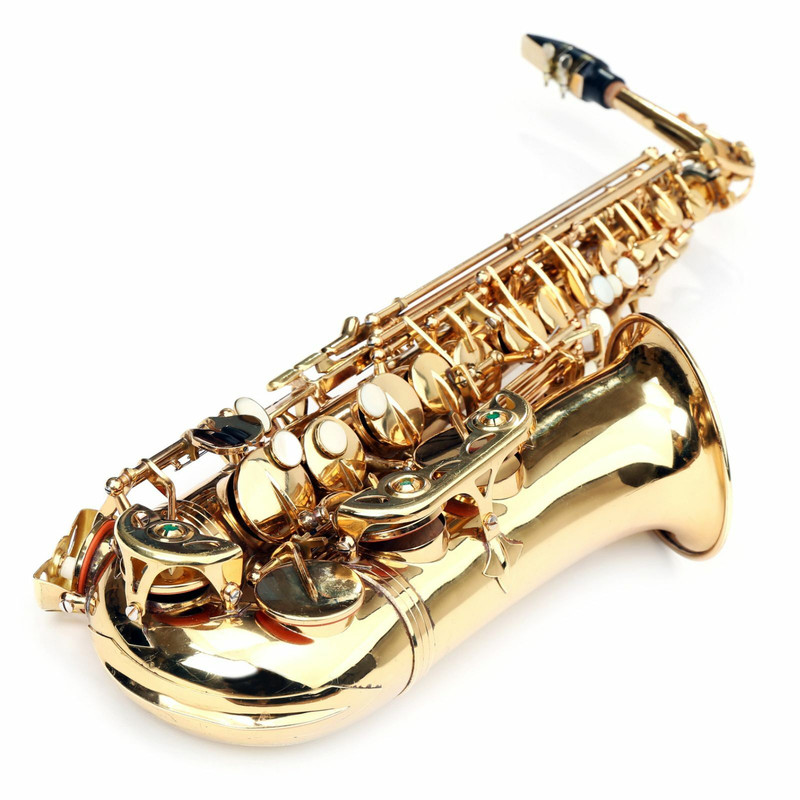
Check that the reed is undamaged, moistened and correctly positioned. Then try a comfortable mouth seal and a steady stream of air. If the mouthpiece plays but the assembled saxophone does not, the neck or keywork may need attention.
1. Check the reed for damage or dryness
A saxophone produces sound when the reed vibrates against the mouthpiece. A chipped tip, split reed or one that is not seated correctly may stop that vibration. Remove the mouthpiece cap, inspect the reed in good light and replace it if the tip is damaged. Moisten a cane reed before playing according to your teacher’s advice.
For beginners, a reed that is too hard for the mouthpiece and player can also make starting a note difficult. Reed strengths are not identical across brands, so ask a teacher to recommend a suitable match rather than guessing.
2. Make sure the reed and ligature are fitted correctly
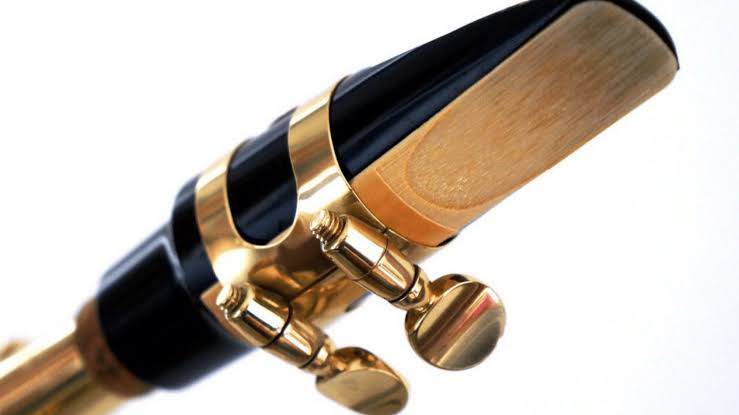
Place the flat side of the reed against the flat table of the mouthpiece. From the front, the reed tip should sit very close to the mouthpiece tip without projecting beyond it. Centre the reed, then tighten the ligature just enough to hold it securely. Excessive pressure can damage equipment or make adjustments awkward.
If the reed has slipped to one side or sits too low, the saxophone may feel unusually resistant or respond inconsistently.
3. Relax your embouchure and use steady air
Your embouchure is how your mouth supports the mouthpiece. Rest the upper teeth gently on the top of the mouthpiece, cushion the lower teeth with the lower lip and seal the corners of your mouth. Avoid biting down hard: that can close the reed opening and choke the sound.
Take a comfortable breath and blow a steady stream of air. Rather than forcing the instrument, aim for an even, supported tone. A music teacher can quickly correct a mouth position that feels awkward or tiring.
4. Try the mouthpiece and neck separately

If you cannot get any sound, ask your teacher to help you test the mouthpiece with its reed and ligature, then the mouthpiece fitted to the neck. This can help separate a reed or embouchure problem from one involving the main body. Support the parts securely and never force the mouthpiece onto a dry or damaged neck cork.
A note produced on the mouthpiece alone is a useful clue, but it is not a complete diagnosis of the instrument.
5. Check your fingers and the octave key
When the saxophone is assembled, try a familiar easy note with the correct fingering. Fingers resting between keys, a partly pressed key or an accidentally engaged octave key can change the response. Make sure the neck is correctly aligned and that you are not pressing side keys by mistake.
If only one or two notes fail consistently, tell your teacher exactly which notes they are. This information can help identify a fingering issue or a pad that is not sealing.
6. Know when the saxophone needs a repairer
A leaking pad, bent key, displaced spring or damaged neck cork can prevent notes speaking normally. These are precision adjustments: do not bend keywork or pull at springs yourself. If a sound reed and correct technique still produce no reliable notes, arrange an inspection by a qualified woodwind technician.
Frequently asked questions
Why does my saxophone make air sounds but no note?
Often the reed is not vibrating properly, the embouchure is too tight or the air support is inconsistent. Check the reed first, then ask a teacher to observe your technique.
Can a saxophone stop working suddenly?
Yes. A damaged reed or a displaced pad or spring can change the instrument’s response suddenly. Do not force any keywork; have persistent faults checked.
A quick checklist before your next practice
- Inspect and moisten the reed.
- Align it carefully and secure the ligature.
- Relax your jaw and blow steadily.
- Check the neck and key alignment.
- Ask a teacher or technician if the problem remains.
When your saxophone is not making a sound, working through one check at a time is usually more useful than blowing harder.
KEEP LEARNING
Explore Axiom Music’s woodwind and saxophone range for beginner-friendly instruments and accessories. Axiom Music is an Australian-owned online retailer, shipping from Sydney.
Educational information only. For instrument adjustments or persistent faults, seek advice from your teacher or a qualified repairer.

Shop Now. Pay Later.
100% Interest-free.
Simple instalment plans available instantly at checkout


Select Afterpay as your payment method
Use your existing debit or credit card

Complete your checkout in seconds
No long forms, instant approval online

Pay over 4 equal instalments
Pay fortnightly, enjoy your purchase straight away!
All your need is:
1) An Australian Visa or Mastercard debit/credit card; 2) To be over 18 years of age; 3) To live in Australia
To see Afterpay's complete terms, visit https://www.afterpay.com.au/terms
© 2026 Afterpay