
What Size Violin Does My Child Need? | Australian Guide
Author: Axiom Music Date Posted:12 August 2026
What Size Violin Does My Child Need? A Simple Guide for Australian Parents
Buying a child's first violin is exciting, but choosing the correct size is just as important as choosing the violin itself. Unlike many instruments, violins come in several sizes so younger players can comfortably hold the instrument and develop good technique.
Understanding Violin Sizes
Violins are generally described as fractions, from small children's instruments through to the full-size or 4/4 violin used by most adults.
As a general guide:
-
1/8 size: approximately ages 4–6
-
1/4 size: approximately ages 6–8
-
1/2 size: approximately ages 7–9
-
3/4 size: approximately ages 9–12
-
4/4 full size: generally ages 12+ or players around 155 cm and taller
Age is only a guide. Children grow at different rates, so arm length and overall build should also be considered.
Why Does the Correct Violin Size Matter?
It can be tempting to buy a larger violin for a child to "grow into", but an instrument that is too large can make learning unnecessarily difficult.
The player needs to support the violin comfortably while reaching the fingerboard and strings without excessive stretching. A correctly sized instrument makes it easier to develop good posture, bow control and left-hand technique.
This is particularly important for beginners. Learning the violin already involves coordinating both hands in completely different ways, so an uncomfortable instrument adds another difficulty that the student doesn't need.
Don't Forget the Violin Setup
Size isn't the only consideration when choosing a beginner violin.
How the instrument has been prepared can have a significant effect on how easy it is to play. The bridge needs to be correctly shaped and fitted, the soundpost positioned correctly and the pegs operating smoothly.
String height is also important. Strings that sit unnecessarily high above the fingerboard can make them much harder for a beginner to press down.
Axiom violins are professionally set up before being supplied, including a shaped and fitted bridge and adjusted soundpost. They also include practical beginner-friendly features such as ebony pegs, a carbon-fibre tailpiece with four fine tuners, a brazilwood bow and a lightweight case with backpack straps.
What About Left-Handed Children?
Most left-handed students learn on a conventional violin, because both hands perform complex tasks when playing.
However, some players genuinely prefer or require a left-handed instrument. A purpose-built left-handed violin is different from simply reversing the strings on a standard violin because the internal construction and fittings need to correspond with the reversed playing position.
Axiom offers left-handed violins in several sizes for players who need this option.
When Should You Move Up a Size?
There's no advantage in moving to a larger violin too early. If your child's current violin is still comfortable and allows a natural playing position, there may be no immediate need to change.
A teacher can usually tell you when it's time to move to the next size.
Choosing a Beginner Violin in Australia
For a first-time buyer, concentrate on three things: correct size, proper setup and suitable accessories.
A well-prepared beginner violin doesn't need to cost a fortune, but it should be comfortable to play and ready for the student to start learning.
If you're unsure which size is appropriate, contact Axiom Music before ordering and we'll be happy to help you choose.
Frequently Asked Questions
What is a full-size violin?
A full-size violin is called a 4/4 violin. It is the standard size used by most adults and older teenagers.
Should I buy a violin for my child to grow into?
Generally, no. A violin that is too large can be uncomfortable and make correct technique more difficult to develop.
Do beginner violins need to be professionally set up?
A proper setup can make a substantial difference to playability. Bridge fit, soundpost position, string height and correctly functioning pegs are particularly important for beginners.
Can a left-handed child play a normal violin?
Yes. Many left-handed players learn conventionally. However, purpose-built left-handed violins are available for players who prefer or require a reversed instrument.
Leave a comment

Shop Now. Pay Later.
100% Interest-free.
Simple instalment plans available instantly at checkout
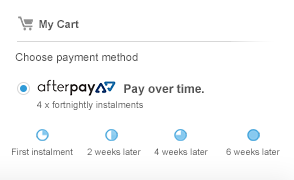

Select Afterpay as your payment method
Use your existing debit or credit card

Complete your checkout in seconds
No long forms, instant approval online

Pay over 4 equal instalments
Pay fortnightly, enjoy your purchase straight away!
All your need is:
1) An Australian Visa or Mastercard debit/credit card; 2) To be over 18 years of age; 3) To live in Australia
To see Afterpay's complete terms, visit https://www.afterpay.com.au/terms
© 2026 Afterpay