Why Does My Saxophone Squeak? Common Causes and Solutions
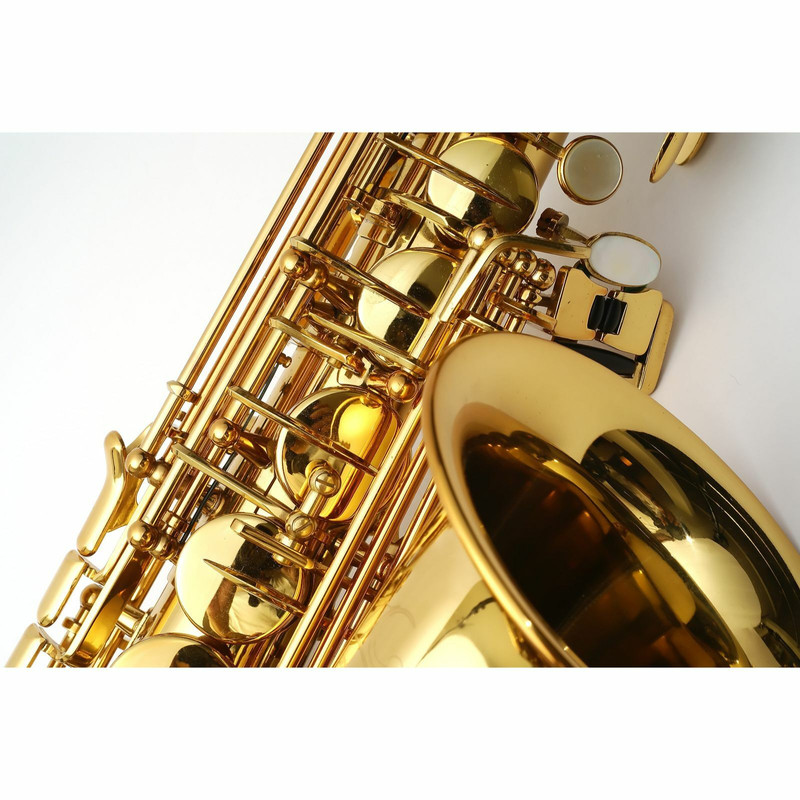
An unexpected squeak can happen to any saxophone player, but it is especially common while learning to control a new reed and mouthpiece. The sound is frustrating because it may appear on a note that played perfectly well only moments earlier.
Squeaks usually come from a combination of reed response, mouthpiece setup, embouchure and airflow. A systematic check is more useful than simply biting harder or blowing more forcefully.
Start with the reed
A reed that is chipped, split, warped or badly worn can vibrate unpredictably. Remove it and inspect the thin tip against the light. If the edge is damaged or uneven, try a fresh reed. Even an undamaged reed may be difficult to control if its strength does not suit the player and mouthpiece.
Beginners often find a moderately soft reed easier to start and sustain. However, the ideal strength varies with mouthpiece design and the player's development, so a teacher can help choose an appropriate combination.
Check the reed position and ligature
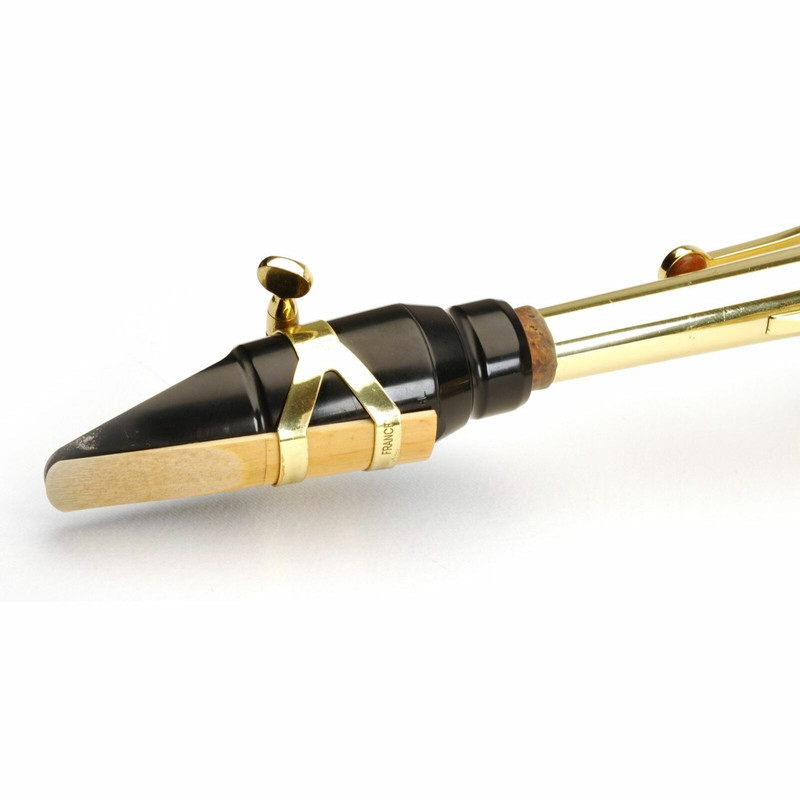
Position the reed centrally on the flat table of the mouthpiece, with its tip aligned very close to the mouthpiece tip. Looking straight at the mouthpiece, you should see an even, symmetrical relationship between the two edges. A reed that sits crooked or too far forward can make the response unstable.
Tighten the ligature enough to hold the reed securely without crushing it. Check that the reed is flat against the mouthpiece table and that the ligature is not sitting over the delicate reed tip. Small adjustments can make a surprisingly large difference.
Relax the embouchure without losing support
A common reaction to squeaking is to bite down. Excessive jaw pressure can pinch the reed and encourage an unwanted high note. Instead, form a stable seal around the mouthpiece, support it with the corners of the mouth and keep the jaw comfortably firm rather than clenched.
Take in an appropriate amount of mouthpiece: too little can restrict vibration, while too much may make the sound harder to control. The best position varies, so experiment in small steps under a teacher's guidance.
Use steady air and a controlled start
Saxophones need a consistent air stream. Hesitant, shallow blowing may leave the reed vibrating unevenly, especially at the start of a note. Practise a comfortable middle-register note with a relaxed breath, then sustain it for several seconds at an even volume.
Next, begin the note with a light tongue release rather than a hard attack. Repeat slowly, listening for a stable sound. Once that works, move between neighbouring notes without changing the basic air support.
Why certain notes squeak more often

If squeaks occur mainly during register changes, check that your fingers are covering or closing the correct keys and that the octave mechanism is operating as expected. An accidentally open side key or incomplete fingering can alter the note dramatically.
Try the same passage slowly, watching finger movement. If the problem is limited to one note even with careful fingering and a good reed, the instrument may have a leaking pad or adjustment issue that needs attention.
A practical five-minute troubleshooting routine
First, inspect and correctly fit the reed. Second, play a long tone in the middle register. Third, relax any excessive biting and keep the air steady. Fourth, test a second reed of the same strength. Finally, play the troublesome notes slowly and check the fingering.
If several good reeds produce the same persistent problem, particularly on specific notes, ask a teacher or woodwind technician to check the saxophone. A small mechanical leak can imitate a playing-technique problem. Patient, consistent practice usually produces better results than trying to overpower the squeak.