
How to Adjust a Cello Endpin for Comfortable Playing
Author: Axiom Music Date Posted:17 October 2026
How to Adjust a Cello Endpin for Comfortable Playing
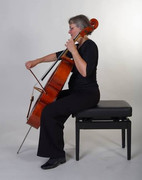
The short answer
To adjust a cello endpin, sit comfortably, release the endpin clamp, extend the rod a little at a time and retighten the clamp securely. The cello should rest steadily against your body without requiring you to hunch, stretch or grip it with your knees. Exact endpin length varies with the player's height, chair and cello size.
What does the endpin do?
The endpin is the adjustable rod extending from the bottom of the cello. It supports the instrument's weight and helps position the cello at a playable angle. A secure rubber tip or endpin anchor also helps prevent slipping, especially on smooth floors.

1. Start with the right chair and posture
Sit towards the front of a stable chair with both feet comfortably on the floor. Keep your back tall but relaxed and your shoulders level. The chair should allow your hips and knees to rest comfortably without forcing you to reach up or lean forward.
2. Release the clamp carefully
Support the cello with one hand. Loosen the endpin screw or clamp only enough to let the rod slide. Do not completely remove the screw. Keep fingers clear of the moving rod, and avoid letting the cello's weight force the endpin down suddenly.
3. Adjust the length a little at a time
Extend the endpin until the cello sits at a comfortable angle against your chest. The upper bouts should not press awkwardly into your shoulders, and your left hand should be able to reach the neck without strain. Beginners should ask their teacher to check the final position.
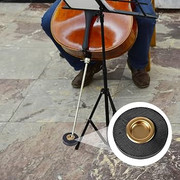
4. Tighten and test for stability
Tighten the endpin clamp firmly but without excessive force. With the cello supported, gently check that the rod does not slide back into the instrument. If the clamp does not hold, do not continue playing until it has been inspected.
5. Prevent the cello from slipping
A rubber endpin tip may grip some surfaces, but polished timber or tiles can still be slippery. Use a suitable cello endpin anchor or non-slip stopper, positioned securely. Avoid placing the endpin where it can damage flooring or slide unexpectedly.
6. Recheck as the player grows
Children can grow quickly, and a different chair or cello size can change the ideal endpin length. Recheck the position whenever the player seems to hunch, stretch or hold the instrument tightly to keep it upright.
Common mistakes to avoid
Do not extend the rod to its maximum length simply because it can reach that far. Do not play with a loose clamp. Do not force a bent or sticking endpin, and do not rely on the sharp metal point alone on a smooth floor. If the endpin is bent or damaged, have it checked by a repairer.
Frequently asked questions
How long should a cello endpin be? There is no single correct measurement. It depends on player height, chair height and cello size.
Can I use a cello on a wooden floor? Yes, but use a secure endpin anchor or stopper to help prevent slipping and protect the floor.
Should the cello rest between my knees? The knees can help guide and stabilise the instrument, but should not squeeze it tightly.
A comfortable setup helps learning
Small posture adjustments can make practice easier and more enjoyable. A cello teacher can confirm the best position for each player. Explore Axiom Music for student instruments and accessories.

Shop Now. Pay Later.
100% Interest-free.
Simple instalment plans available instantly at checkout

Select Afterpay as your payment method
Use your existing debit or credit card

Complete your checkout in seconds
No long forms, instant approval online

Pay over 4 equal instalments
Pay fortnightly, enjoy your purchase straight away!
All your need is:
1) An Australian Visa or Mastercard debit/credit card; 2) To be over 18 years of age; 3) To live in Australia
To see Afterpay's complete terms, visit https://www.afterpay.com.au/terms
© 2026 Afterpay